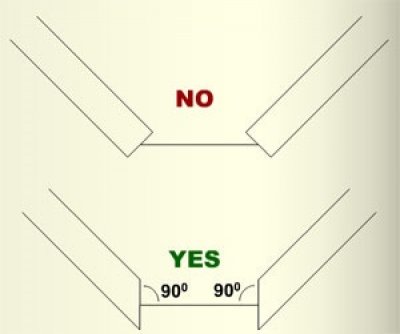
Always design curbs so that they approach buttresses at a 90 degree angle.
Very tall stream shower openings require a secondary piece of glass (transom), or the soffit can be framed lower to fill the gap.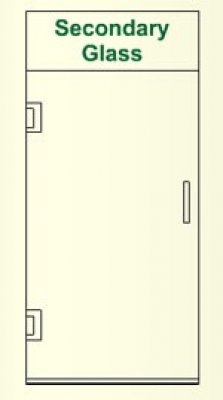
Framed products over 78" require transoms. Frameless products over 84" require transoms.
Mind your Seats and Curbs!
Follow these installation guidelines to ensure proper drainage and avoid problems down the road.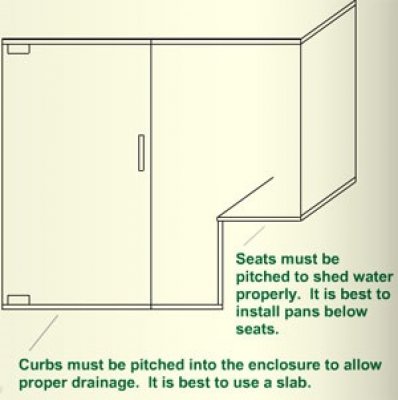
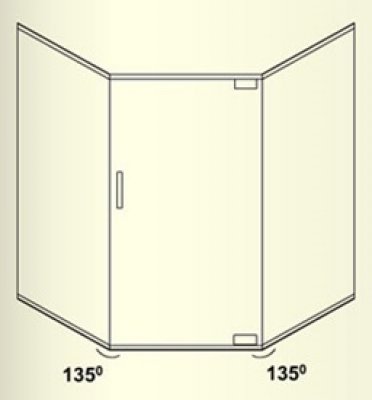
Take the right angle to cut cost.
Use 135º angles wherever possible. In most cases you'll save money.
Shower soffits must plumb down precisely footprint to the of the lower curbs. Failure to address this issue will produce disappointing results.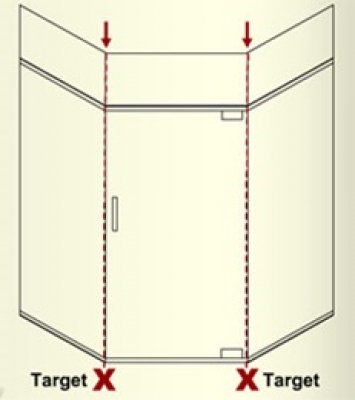
Never position body sprays opposite an enclosure door or other opening.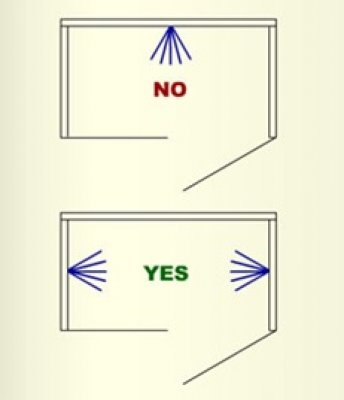
Always position body sprays so that they are directed towards tiled walls.
Don't Lose Your Temper!
Tempered glass panels cannot be made in dimensions less than 3 1/2".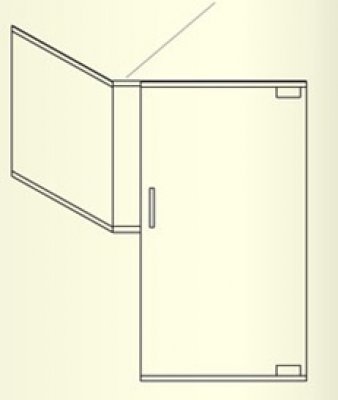
If you are planning a frameless enclosure, do not use raised, decorative tile on any part of the door swing area.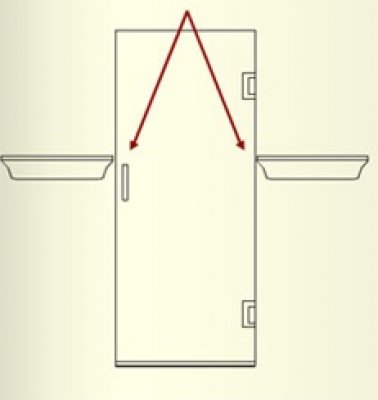
Don't Use Glass Tiles!
Drilling necessary during the installation process inevitably results in cracking.
Overhangs near door closings create problem gaps, resulting in leakage, unsightly fillers or worse... a return visit from an irritated tile installer to remove the overhang!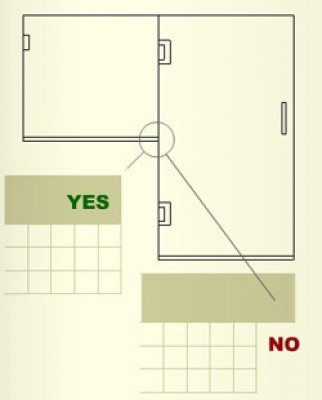
Shower Curb Pitch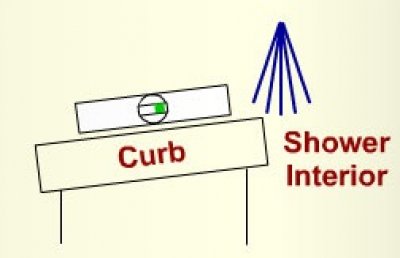
Out-pitched curb spills water out onto the bathroom floor.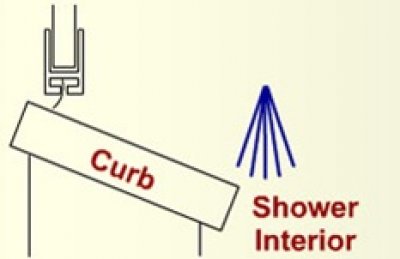
Too much pitch causes door gaskets to bind or chafe resulting in premature wear.
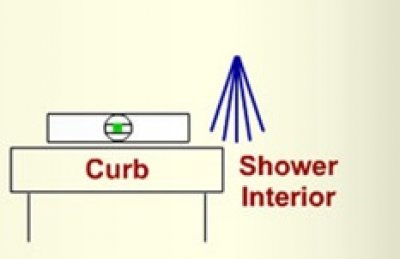
Dead level curb results in standing water... a sure catalyst for mold and mildew.
Pitch between 3/16" and 1/4" is ideal for shedding water back to the shower drain.
The face of any rise where a swing door closes should be perfectly plumb; otherwise a costly pattern cut door may be required.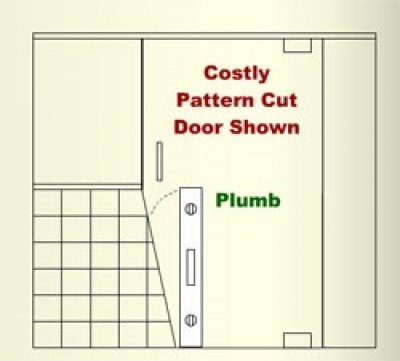
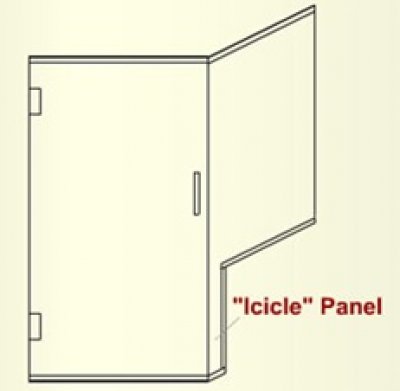
Avoid "Icicle" Panels
When a buttress wall or tub deck ends with a small continuance of glass that notches over and down, the result is a brittle glass "icicle" that may require a separate lite of glass (with an unsightly seam) or a bulky metal build-over.